We'd like to hear from you.
Phone line
Mon to Fri 8:00am-4:00pm
Working hours
451 Atkinson Dr
Honolulu, HI 96814
Honolulu, HI 96814
Visit us
News
Maui Division Helps to Restore Waihe’e Fishpond
March 30, 2026
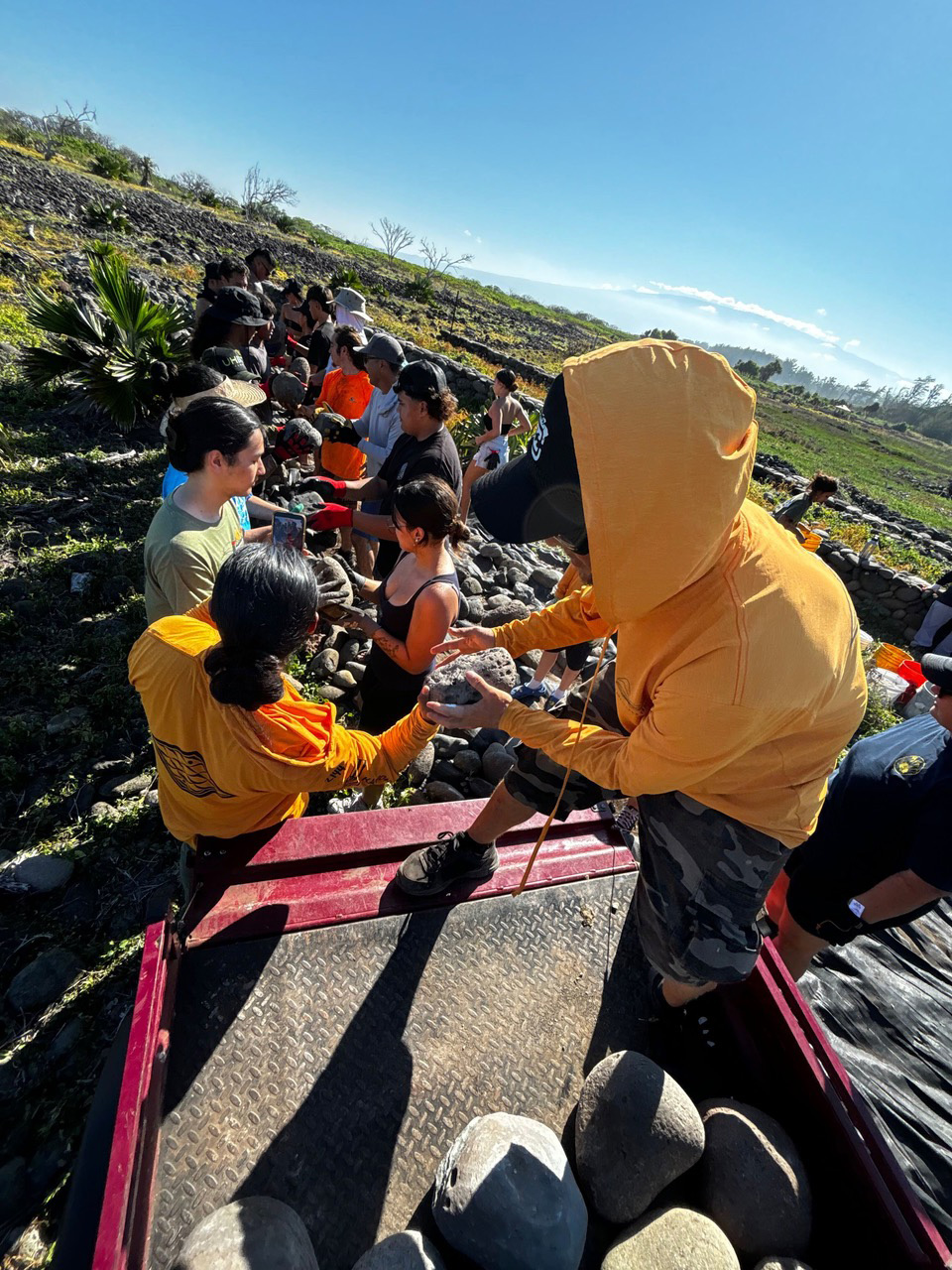
On a quiet stretch of Maui’s north shore, where wetlands meet the sea and native birds rise from restored dunes, Maui Division members gathered. But not for their normal meeting or a picket. This time, it was to care for the land beneath their feet. At the historic Waiheʻe Coastal Dunes & Wetlands Refuge, members came together for the first-ever mālama ʻāina community work day, attended by Maui Division leaders and Grand Wailea member Richard Van Barringer.
Waiheʻe is a place where culture, food systems, and community have been intertwined for generations. Once home to thriving Hawaiian villages and extensive fishponds, the area is now being actively restored to support native plants, endangered birds, nearshore fisheries, and traditional relationships to ʻāina. For union members who participated, the work was both grounding and purposeful.
“As a division, we’ve been looking for ways to re-engage in the community,” Van Barringer shared. “The ʻāina work day at Waiheʻe was a fun way to do so alongside over 70 volunteers from the Maui community. I was encouraged to see so many families and keiki committed to a sustainable future for our island. This is a unique opportunity to develop relationships through education and hard work toward a shared vision.”
That shared vision is not entirely new. It is rooted in union history. The ILWU has long understood that worker power does not exist in isolation. During past struggles, the union maintained garden, fishing, and hunting committees as part of its strike strategy—ensuring families were fed and communities could sustain long fights for dignity and justice. Local food security, community care, and collective effort have always been part of how the union survives and wins.
“Our union exists because previous generations built it for us,” Van Barringer said. “So this is an appropriate project for us to be involved in, because we are building things for future generations now.”
The work at Waiheʻe reflects that same ethic. Caring for land strengthens community health, supports local food systems, and reinforces the solidarity needed to sustain working-class families—both in everyday life and in moments of struggle. It is unionism practiced beyond the workplace, grounded in responsibility to one another and to what we leave behind.
Members who attended described the day as energizing and meaningful, a reminder that union strength grows when members come together with purpose.
The next work day will be held on Saturday, April 11, at the Waiheʻe fishpond and all Maui members are encouraged to join.